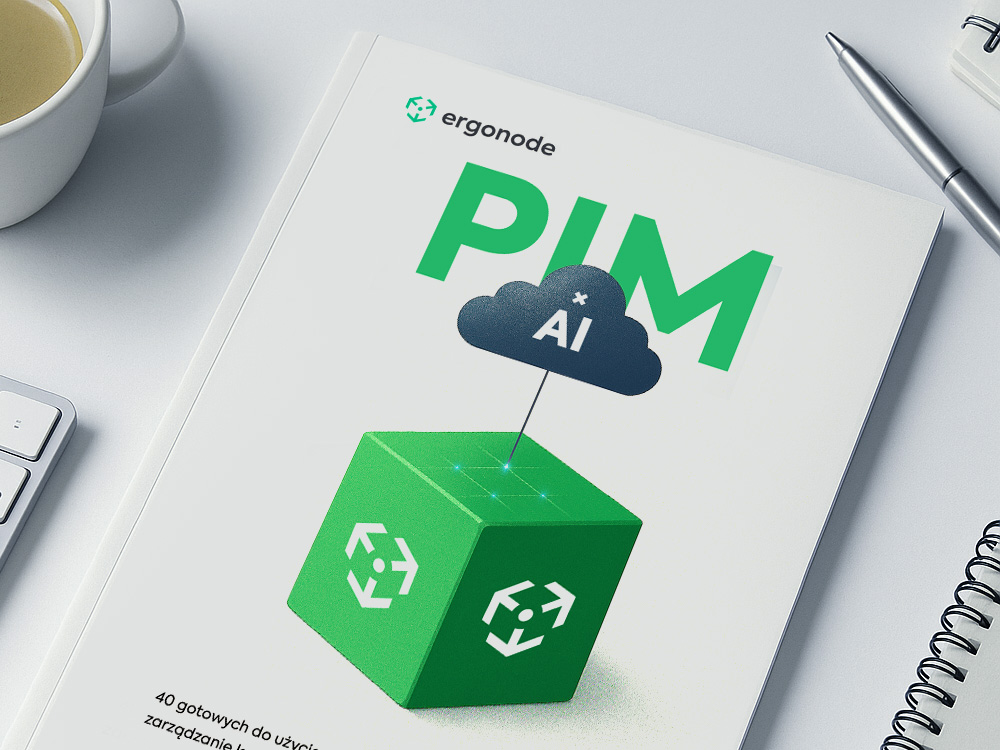
Free eBook: How Fashion Brands Use PIM to Master Collections, Size Charts & Product Data Management

How fashion brands tame collections, size charts and product data
16 pages on where spreadsheets and guesswork stop working — and where PIM takes over. Built around the real challenges of fashion catalogs: variants, size charts, textiles, and the regulations heading your way.
This isn't a generic guide to "digitizing ecommerce"
It's a concrete diagnosis of the problems fashion catalogs actually run into — inconsistent size charts, returns driven by unclear fit, and collection descriptions that fall apart across markets — and how a PIM resolves them, shown through Ergonode and two brands that lived through it.
Written from real catalog pain, not theory
Every chapter starts from an actual fashion-catalog problem: mismatched size names, returns, care-label chaos, listing filters that stop working.
Grounded in one real PIM, not abstractions
Every mechanism is shown inside Ergonode's actual screens — product hierarchy, size chart models, completeness tracking — not a conceptual diagram.
Backed by two brands who did it
Dilling.com and Alpinus show the same PIM deployed at two different scales — a heritage manufacturer and a multi-market outdoor retailer.
What's inside
Eight chapters, moving from the real problems of a fashion catalog to the concrete mechanisms Ergonode PIM uses to solve them.
Key challenges in fashion product data
Why catalog management gets complicated fast — returns, sustainability data and selling looks, not just single items.
Getting ready for the Digital Product Passport (2027)
What the incoming EU regulation demands from product data, and why flexible modeling matters now.
Working with collections, variants and sets
How Ergonode's three product types — grouping, variant and simple — model outfits without duplicating data.
Managing size charts — three ways
Size chart linked to the brand, to the category, or a fully custom model per variant. No single method fits everyone.
Order in listings and filters (color, size)
How custom fields turn "Navy Sapphire" and "Light Blue" into one filterable "Blue" — without losing the marketing name.
Brands, fabrics and care instructions
Standardizing care-label language across materials sourced from different corners of the world.
Model measurements as shopping context
Why showing a model's real measurements next to the size they're wearing reduces returns and builds trust.
Publication readiness: workflow & completeness
How a Lean-inspired WIP view gives every department certainty a collection is complete before it ships.
.jpeg)
"In the world of fashion, it's not just about selling clothes; it's about creating a great experience for everyone."From the Ergonode ebook, chapter Working with collections, variants and sets
One product, many sizes, still one story told once
The ebook walks through how Ergonode splits a garment catalog into three connected layers, so a collection gets described once — not re-typed for every size.
- Grouping products for outfits and sets, combining variant and simple products underneath.
- Products with variants, linking simple items through a binding attribute like size.
- Simple products, standalone or nested inside a variant or grouping product — each with its own SKU.
.jpeg)
Size charts without the guesswork
There's no single right way to build a size chart — so the ebook lays out three real implementation models, matched to how tightly a brand controls its production.
- Size chart linked directly to the brand.
- Size chart as an extension of the product category.
- An advanced data model linked to each individual variant item.
.jpeg)
A model is data, not just a photo
Height, weight, chest, waist and hip measurements are attached directly to the product variant — so shoppers can see exactly what "size S" meant on the person wearing it, in the screen shown here from Ergonode PIM.
.jpeg)
Publication-ready, at a glance
New collections — spring, summer, limited editions — move through production, photography, merchandising and SEO all year round. The ebook shows the Lean-inspired WIP board that keeps every department certain a collection meets every requirement before it goes live.
.jpeg)
Two brands that already did it
The case studies inside the ebook show Ergonode PIM deployed at two different scales — from a Danish heritage manufacturer to a Polish outdoor leader.
.jpeg)
Dilling.com

Alpinus
.jpeg)
Get the ebook before your next collection makes a mess of your catalog
16 pages on managing variants, size charts and product data — with examples from Dilling.com and Alpinus. Free, no strings attached.
e-book